
We Spent Thousands of Hours Listening to Find the Best Wireless Headphones

As a longtime user of the original Sonos Arc, I approached the new Sonos Arc Ultra with excitement and skepticism.

The original Arc has been a staple in my home entertainment setup. It delivers impressive Dolby Atmos sound and effortlessly integrates with the Sonos ecosystem.

With the Arc Ultra promising upgrades in sound quality, design, and connectivity, I was eager to see if it could live up to the hype and justify its higher price tag.

After spending time with the Ultra, it’s clear that Sonos hasn’t just refined its flagship soundbar; they’ve reimagined what a standalone audio system can offer. But is it enough to tempt existing Arc users like me to take the leap? Let’s dive in.

The Sonos Arc Ultra, released on Oct. 29, is Sonos’ latest flagship soundbar. It is priced at $999 and available in black or white.

This new release marks a slight price increase over its predecessor, the original Arc, which is discontinued and now being sold at discounted rates as retailers clear remaining stock.

The Arc Ultra enters a competitive market, facing rivals like the Sony Bravia Theatre Bar 9 and the Samsung HW-Q990D. Both offer compelling features and, at times, significant discounts.

Design and Build

Visually, the Arc Ultra closely resembles the original Arc, maintaining Sonos’ minimalist aesthetic with a perforated grille encompassing most of the chassis. However, subtle changes include a ledge at the back housing touch controls — play/pause, skip, volume slider, and a voice control button — relocated from the main grille.
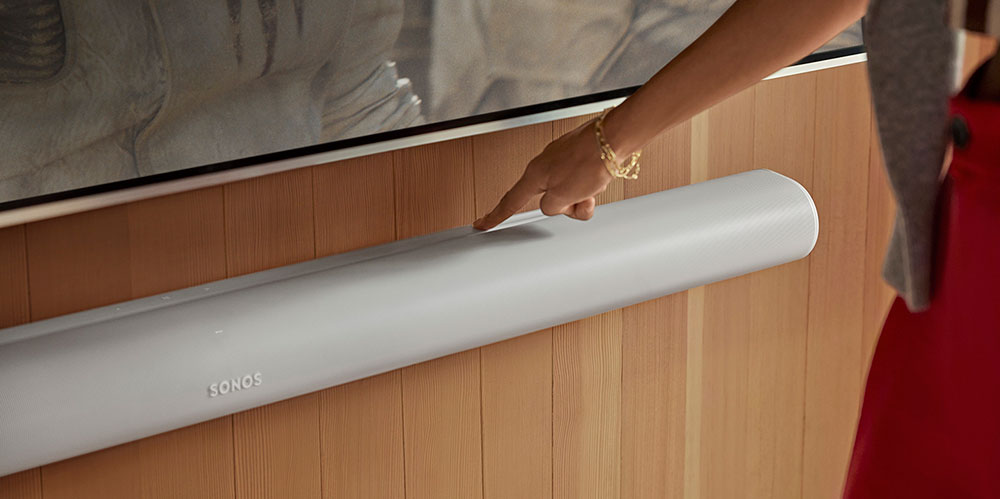
The soundbar’s dimensions have been adjusted ever so slightly: it’s wider at 118cm (up from 114cm) but shorter in height at 7.5cm (down from 8.7cm), reducing the likelihood of obstructing the TV screen when placed in front. Weighing approximately 350g less than its predecessor, the Arc Ultra is also more wall-mount friendly.

The design requires an open placement, as positioning it in a nook or under a shelf can impede the upward-firing drivers essential for optimal sound dispersion.

Features and Connectivity

The Arc Ultra boasts a 9.1.4-channel configuration, a significant upgrade from the original Arc’s 5.0.2 setup. It incorporates 14 custom-engineered drivers powered by 15 Class D amplifiers, including seven tweeters, six midrange woofers, and a novel Sound Motion woofer.

This innovative woofer utilizes four smaller, lightweight motors to move the cone, enabling greater air displacement and, according to Sonos, delivering up to twice the bass of the original Arc. The dual-cone design also aims to minimize mechanical vibrations, contributing to a more balanced sound profile.

Despite these advancements, the Arc Ultra lacks support for DTS audio formats, focusing solely on Dolby Atmos for spatial audio. Connectivity options remain limited, with a single HDMI eARC port and no dedicated HDMI inputs, necessitating all external sources being connected through the TV. This setup may pose challenges for users with multiple high-spec gaming devices and limited HDMI 2.1 ports on their TVs.
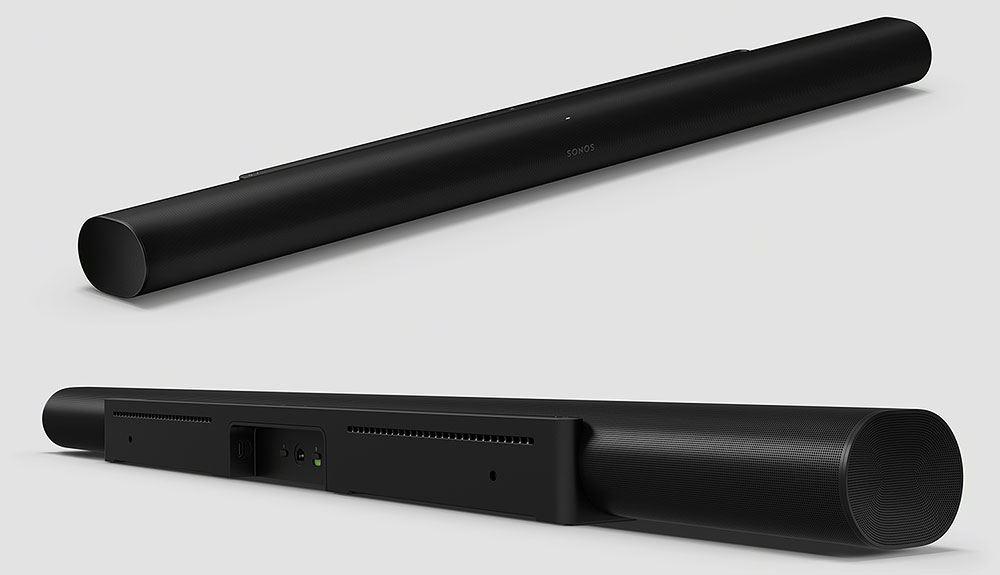
On the upside, the Arc Ultra introduces Bluetooth connectivity (a first for Sonos soundbars) and expands Sonos’ excellent Trueplay calibration support to Android devices, enhancing user accessibility.

Performance

In terms of audio performance, the Arc Ultra delivers a clean, precise, and spacious soundstage with impressive three-dimensionality. The enhanced bass is deep and expressive, providing a solid foundation without overwhelming the overall sound profile.

Dialogue clarity has improved, thanks to the new front-firing speaker array dedicated to the center channel, ensuring crisp and intelligible speech reproduction. The soundbar excels in detail retrieval, capturing subtle nuances across various content types.

However, the absence of HDMI passthrough and DTS support may be limiting for some users. Additionally, while the Sonos app offers robust control and customization options, some users have reported occasional issues that could affect the overall user experience.

The Best Smart Speakers With Alexa, Google Assistant, and Siri

As a longtime user of the original Sonos Arc, I approached the new Sonos Arc Ultra with excitement and skepticism.

The original Arc has been a staple in my home entertainment setup. It delivers impressive Dolby Atmos sound and effortlessly integrates with the Sonos ecosystem.

With the Arc Ultra promising upgrades in sound quality, design, and connectivity, I was eager to see if it could live up to the hype and justify its higher price tag.

After spending time with the Ultra, it’s clear that Sonos hasn’t just refined its flagship soundbar; they’ve reimagined what a standalone audio system can offer. But is it enough to tempt existing Arc users like me to take the leap? Let’s dive in.

The Sonos Arc Ultra, released on Oct. 29, is Sonos’ latest flagship soundbar. It is priced at $999 and available in black or white.

This new release marks a slight price increase over its predecessor, the original Arc, which is discontinued and now being sold at discounted rates as retailers clear remaining stock.

The Arc Ultra enters a competitive market, facing rivals like the Sony Bravia Theatre Bar 9 and the Samsung HW-Q990D. Both offer compelling features and, at times, significant discounts.

Design and Build

Visually, the Arc Ultra closely resembles the original Arc, maintaining Sonos’ minimalist aesthetic with a perforated grille encompassing most of the chassis. However, subtle changes include a ledge at the back housing touch controls — play/pause, skip, volume slider, and a voice control button — relocated from the main grille.

The soundbar’s dimensions have been adjusted ever so slightly: it’s wider at 118cm (up from 114cm) but shorter in height at 7.5cm (down from 8.7cm), reducing the likelihood of obstructing the TV screen when placed in front. Weighing approximately 350g less than its predecessor, the Arc Ultra is also more wall-mount friendly.

The design requires an open placement, as positioning it in a nook or under a shelf can impede the upward-firing drivers essential for optimal sound dispersion.

Features and Connectivity

The Arc Ultra boasts a 9.1.4-channel configuration, a significant upgrade from the original Arc’s 5.0.2 setup. It incorporates 14 custom-engineered drivers powered by 15 Class D amplifiers, including seven tweeters, six midrange woofers, and a novel Sound Motion woofer.

This innovative woofer utilizes four smaller, lightweight motors to move the cone, enabling greater air displacement and, according to Sonos, delivering up to twice the bass of the original Arc. The dual-cone design also aims to minimize mechanical vibrations, contributing to a more balanced sound profile.

Despite these advancements, the Arc Ultra lacks support for DTS audio formats, focusing solely on Dolby Atmos for spatial audio. Connectivity options remain limited, with a single HDMI eARC port and no dedicated HDMI inputs, necessitating all external sources being connected through the TV. This setup may pose challenges for users with multiple high-spec gaming devices and limited HDMI 2.1 ports on their TVs.

On the upside, the Arc Ultra introduces Bluetooth connectivity (a first for Sonos soundbars) and expands Sonos’ excellent Trueplay calibration support to Android devices, enhancing user accessibility.

Performance

In terms of audio performance, the Arc Ultra delivers a clean, precise, and spacious soundstage with impressive three-dimensionality. The enhanced bass is deep and expressive, providing a solid foundation without overwhelming the overall sound profile.

Dialogue clarity has improved, thanks to the new front-firing speaker array dedicated to the center channel, ensuring crisp and intelligible speech reproduction. The soundbar excels in detail retrieval, capturing subtle nuances across various content types.

However, the absence of HDMI passthrough and DTS support may be limiting for some users. Additionally, while the Sonos app offers robust control and customization options, some users have reported occasional issues that could affect the overall user experience.

The Best Computer Speakers for Jamming Out in Your Home Office

As a longtime user of the original Sonos Arc, I approached the new Sonos Arc Ultra with excitement and skepticism.

The original Arc has been a staple in my home entertainment setup. It delivers impressive Dolby Atmos sound and effortlessly integrates with the Sonos ecosystem.

With the Arc Ultra promising upgrades in sound quality, design, and connectivity, I was eager to see if it could live up to the hype and justify its higher price tag.

After spending time with the Ultra, it’s clear that Sonos hasn’t just refined its flagship soundbar; they’ve reimagined what a standalone audio system can offer. But is it enough to tempt existing Arc users like me to take the leap? Let’s dive in.

The Sonos Arc Ultra, released on Oct. 29, is Sonos’ latest flagship soundbar. It is priced at $999 and available in black or white.

This new release marks a slight price increase over its predecessor, the original Arc, which is discontinued and now being sold at discounted rates as retailers clear remaining stock.

The Arc Ultra enters a competitive market, facing rivals like the Sony Bravia Theatre Bar 9 and the Samsung HW-Q990D. Both offer compelling features and, at times, significant discounts.

Design and Build

Visually, the Arc Ultra closely resembles the original Arc, maintaining Sonos’ minimalist aesthetic with a perforated grille encompassing most of the chassis. However, subtle changes include a ledge at the back housing touch controls — play/pause, skip, volume slider, and a voice control button — relocated from the main grille.

The soundbar’s dimensions have been adjusted ever so slightly: it’s wider at 118cm (up from 114cm) but shorter in height at 7.5cm (down from 8.7cm), reducing the likelihood of obstructing the TV screen when placed in front. Weighing approximately 350g less than its predecessor, the Arc Ultra is also more wall-mount friendly.

The design requires an open placement, as positioning it in a nook or under a shelf can impede the upward-firing drivers essential for optimal sound dispersion.

Features and Connectivity

The Arc Ultra boasts a 9.1.4-channel configuration, a significant upgrade from the original Arc’s 5.0.2 setup. It incorporates 14 custom-engineered drivers powered by 15 Class D amplifiers, including seven tweeters, six midrange woofers, and a novel Sound Motion woofer.

This innovative woofer utilizes four smaller, lightweight motors to move the cone, enabling greater air displacement and, according to Sonos, delivering up to twice the bass of the original Arc. The dual-cone design also aims to minimize mechanical vibrations, contributing to a more balanced sound profile.

Despite these advancements, the Arc Ultra lacks support for DTS audio formats, focusing solely on Dolby Atmos for spatial audio. Connectivity options remain limited, with a single HDMI eARC port and no dedicated HDMI inputs, necessitating all external sources being connected through the TV. This setup may pose challenges for users with multiple high-spec gaming devices and limited HDMI 2.1 ports on their TVs.

On the upside, the Arc Ultra introduces Bluetooth connectivity (a first for Sonos soundbars) and expands Sonos’ excellent Trueplay calibration support to Android devices, enhancing user accessibility.

Performance

In terms of audio performance, the Arc Ultra delivers a clean, precise, and spacious soundstage with impressive three-dimensionality. The enhanced bass is deep and expressive, providing a solid foundation without overwhelming the overall sound profile.

Dialogue clarity has improved, thanks to the new front-firing speaker array dedicated to the center channel, ensuring crisp and intelligible speech reproduction. The soundbar excels in detail retrieval, capturing subtle nuances across various content types.

However, the absence of HDMI passthrough and DTS support may be limiting for some users. Additionally, while the Sonos app offers robust control and customization options, some users have reported occasional issues that could affect the overall user experience.

Nvidia’s $3,000 ‘Personal AI Supercomputer’ Will Let You Ditch the Data Center

As a longtime user of the original Sonos Arc, I approached the new Sonos Arc Ultra with excitement and skepticism.

The original Arc has been a staple in my home entertainment setup. It delivers impressive Dolby Atmos sound and effortlessly integrates with the Sonos ecosystem.

With the Arc Ultra promising upgrades in sound quality, design, and connectivity, I was eager to see if it could live up to the hype and justify its higher price tag.

After spending time with the Ultra, it’s clear that Sonos hasn’t just refined its flagship soundbar; they’ve reimagined what a standalone audio system can offer. But is it enough to tempt existing Arc users like me to take the leap? Let’s dive in.

The Sonos Arc Ultra, released on Oct. 29, is Sonos’ latest flagship soundbar. It is priced at $999 and available in black or white.

This new release marks a slight price increase over its predecessor, the original Arc, which is discontinued and now being sold at discounted rates as retailers clear remaining stock.

The Arc Ultra enters a competitive market, facing rivals like the Sony Bravia Theatre Bar 9 and the Samsung HW-Q990D. Both offer compelling features and, at times, significant discounts.

Design and Build

Visually, the Arc Ultra closely resembles the original Arc, maintaining Sonos’ minimalist aesthetic with a perforated grille encompassing most of the chassis. However, subtle changes include a ledge at the back housing touch controls — play/pause, skip, volume slider, and a voice control button — relocated from the main grille.

The soundbar’s dimensions have been adjusted ever so slightly: it’s wider at 118cm (up from 114cm) but shorter in height at 7.5cm (down from 8.7cm), reducing the likelihood of obstructing the TV screen when placed in front. Weighing approximately 350g less than its predecessor, the Arc Ultra is also more wall-mount friendly.

The design requires an open placement, as positioning it in a nook or under a shelf can impede the upward-firing drivers essential for optimal sound dispersion.

Features and Connectivity

The Arc Ultra boasts a 9.1.4-channel configuration, a significant upgrade from the original Arc’s 5.0.2 setup. It incorporates 14 custom-engineered drivers powered by 15 Class D amplifiers, including seven tweeters, six midrange woofers, and a novel Sound Motion woofer.

This innovative woofer utilizes four smaller, lightweight motors to move the cone, enabling greater air displacement and, according to Sonos, delivering up to twice the bass of the original Arc. The dual-cone design also aims to minimize mechanical vibrations, contributing to a more balanced sound profile.

Despite these advancements, the Arc Ultra lacks support for DTS audio formats, focusing solely on Dolby Atmos for spatial audio. Connectivity options remain limited, with a single HDMI eARC port and no dedicated HDMI inputs, necessitating all external sources being connected through the TV. This setup may pose challenges for users with multiple high-spec gaming devices and limited HDMI 2.1 ports on their TVs.

On the upside, the Arc Ultra introduces Bluetooth connectivity (a first for Sonos soundbars) and expands Sonos’ excellent Trueplay calibration support to Android devices, enhancing user accessibility.

Performance

In terms of audio performance, the Arc Ultra delivers a clean, precise, and spacious soundstage with impressive three-dimensionality. The enhanced bass is deep and expressive, providing a solid foundation without overwhelming the overall sound profile.

Dialogue clarity has improved, thanks to the new front-firing speaker array dedicated to the center channel, ensuring crisp and intelligible speech reproduction. The soundbar excels in detail retrieval, capturing subtle nuances across various content types.

However, the absence of HDMI passthrough and DTS support may be limiting for some users. Additionally, while the Sonos app offers robust control and customization options, some users have reported occasional issues that could affect the overall user experience.

Lomography Lomo’Instant Wide Glass Is the Best Instax Camera I’ve Tested

As a longtime user of the original Sonos Arc, I approached the new Sonos Arc Ultra with excitement and skepticism.

The original Arc has been a staple in my home entertainment setup. It delivers impressive Dolby Atmos sound and effortlessly integrates with the Sonos ecosystem.

With the Arc Ultra promising upgrades in sound quality, design, and connectivity, I was eager to see if it could live up to the hype and justify its higher price tag.

After spending time with the Ultra, it’s clear that Sonos hasn’t just refined its flagship soundbar; they’ve reimagined what a standalone audio system can offer. But is it enough to tempt existing Arc users like me to take the leap? Let’s dive in.

The Sonos Arc Ultra, released on Oct. 29, is Sonos’ latest flagship soundbar. It is priced at $999 and available in black or white.

This new release marks a slight price increase over its predecessor, the original Arc, which is discontinued and now being sold at discounted rates as retailers clear remaining stock.

The Arc Ultra enters a competitive market, facing rivals like the Sony Bravia Theatre Bar 9 and the Samsung HW-Q990D. Both offer compelling features and, at times, significant discounts.

Design and Build

Visually, the Arc Ultra closely resembles the original Arc, maintaining Sonos’ minimalist aesthetic with a perforated grille encompassing most of the chassis. However, subtle changes include a ledge at the back housing touch controls — play/pause, skip, volume slider, and a voice control button — relocated from the main grille.

The soundbar’s dimensions have been adjusted ever so slightly: it’s wider at 118cm (up from 114cm) but shorter in height at 7.5cm (down from 8.7cm), reducing the likelihood of obstructing the TV screen when placed in front. Weighing approximately 350g less than its predecessor, the Arc Ultra is also more wall-mount friendly.

The design requires an open placement, as positioning it in a nook or under a shelf can impede the upward-firing drivers essential for optimal sound dispersion.

Features and Connectivity

The Arc Ultra boasts a 9.1.4-channel configuration, a significant upgrade from the original Arc’s 5.0.2 setup. It incorporates 14 custom-engineered drivers powered by 15 Class D amplifiers, including seven tweeters, six midrange woofers, and a novel Sound Motion woofer.

This innovative woofer utilizes four smaller, lightweight motors to move the cone, enabling greater air displacement and, according to Sonos, delivering up to twice the bass of the original Arc. The dual-cone design also aims to minimize mechanical vibrations, contributing to a more balanced sound profile.

Despite these advancements, the Arc Ultra lacks support for DTS audio formats, focusing solely on Dolby Atmos for spatial audio. Connectivity options remain limited, with a single HDMI eARC port and no dedicated HDMI inputs, necessitating all external sources being connected through the TV. This setup may pose challenges for users with multiple high-spec gaming devices and limited HDMI 2.1 ports on their TVs.

On the upside, the Arc Ultra introduces Bluetooth connectivity (a first for Sonos soundbars) and expands Sonos’ excellent Trueplay calibration support to Android devices, enhancing user accessibility.

Performance

In terms of audio performance, the Arc Ultra delivers a clean, precise, and spacious soundstage with impressive three-dimensionality. The enhanced bass is deep and expressive, providing a solid foundation without overwhelming the overall sound profile.

Dialogue clarity has improved, thanks to the new front-firing speaker array dedicated to the center channel, ensuring crisp and intelligible speech reproduction. The soundbar excels in detail retrieval, capturing subtle nuances across various content types.

However, the absence of HDMI passthrough and DTS support may be limiting for some users. Additionally, while the Sonos app offers robust control and customization options, some users have reported occasional issues that could affect the overall user experience.

HyperX’s Lightweight Mouse Feels Great but Proves Pro Doesn’t Mean Better

As a longtime user of the original Sonos Arc, I approached the new Sonos Arc Ultra with excitement and skepticism.

The original Arc has been a staple in my home entertainment setup. It delivers impressive Dolby Atmos sound and effortlessly integrates with the Sonos ecosystem.

With the Arc Ultra promising upgrades in sound quality, design, and connectivity, I was eager to see if it could live up to the hype and justify its higher price tag.

After spending time with the Ultra, it’s clear that Sonos hasn’t just refined its flagship soundbar; they’ve reimagined what a standalone audio system can offer. But is it enough to tempt existing Arc users like me to take the leap? Let’s dive in.

The Sonos Arc Ultra, released on Oct. 29, is Sonos’ latest flagship soundbar. It is priced at $999 and available in black or white.

This new release marks a slight price increase over its predecessor, the original Arc, which is discontinued and now being sold at discounted rates as retailers clear remaining stock.

The Arc Ultra enters a competitive market, facing rivals like the Sony Bravia Theatre Bar 9 and the Samsung HW-Q990D. Both offer compelling features and, at times, significant discounts.

Design and Build

Visually, the Arc Ultra closely resembles the original Arc, maintaining Sonos’ minimalist aesthetic with a perforated grille encompassing most of the chassis. However, subtle changes include a ledge at the back housing touch controls — play/pause, skip, volume slider, and a voice control button — relocated from the main grille.

The soundbar’s dimensions have been adjusted ever so slightly: it’s wider at 118cm (up from 114cm) but shorter in height at 7.5cm (down from 8.7cm), reducing the likelihood of obstructing the TV screen when placed in front. Weighing approximately 350g less than its predecessor, the Arc Ultra is also more wall-mount friendly.

The design requires an open placement, as positioning it in a nook or under a shelf can impede the upward-firing drivers essential for optimal sound dispersion.

Features and Connectivity

The Arc Ultra boasts a 9.1.4-channel configuration, a significant upgrade from the original Arc’s 5.0.2 setup. It incorporates 14 custom-engineered drivers powered by 15 Class D amplifiers, including seven tweeters, six midrange woofers, and a novel Sound Motion woofer.

This innovative woofer utilizes four smaller, lightweight motors to move the cone, enabling greater air displacement and, according to Sonos, delivering up to twice the bass of the original Arc. The dual-cone design also aims to minimize mechanical vibrations, contributing to a more balanced sound profile.

Despite these advancements, the Arc Ultra lacks support for DTS audio formats, focusing solely on Dolby Atmos for spatial audio. Connectivity options remain limited, with a single HDMI eARC port and no dedicated HDMI inputs, necessitating all external sources being connected through the TV. This setup may pose challenges for users with multiple high-spec gaming devices and limited HDMI 2.1 ports on their TVs.

On the upside, the Arc Ultra introduces Bluetooth connectivity (a first for Sonos soundbars) and expands Sonos’ excellent Trueplay calibration support to Android devices, enhancing user accessibility.

Performance

In terms of audio performance, the Arc Ultra delivers a clean, precise, and spacious soundstage with impressive three-dimensionality. The enhanced bass is deep and expressive, providing a solid foundation without overwhelming the overall sound profile.

Dialogue clarity has improved, thanks to the new front-firing speaker array dedicated to the center channel, ensuring crisp and intelligible speech reproduction. The soundbar excels in detail retrieval, capturing subtle nuances across various content types.

However, the absence of HDMI passthrough and DTS support may be limiting for some users. Additionally, while the Sonos app offers robust control and customization options, some users have reported occasional issues that could affect the overall user experience.

The Mevo Core Camera System Makes Multi-Cam Streaming a Breeze

As a longtime user of the original Sonos Arc, I approached the new Sonos Arc Ultra with excitement and skepticism.

The original Arc has been a staple in my home entertainment setup. It delivers impressive Dolby Atmos sound and effortlessly integrates with the Sonos ecosystem.

With the Arc Ultra promising upgrades in sound quality, design, and connectivity, I was eager to see if it could live up to the hype and justify its higher price tag.

After spending time with the Ultra, it’s clear that Sonos hasn’t just refined its flagship soundbar; they’ve reimagined what a standalone audio system can offer. But is it enough to tempt existing Arc users like me to take the leap? Let’s dive in.

The Sonos Arc Ultra, released on Oct. 29, is Sonos’ latest flagship soundbar. It is priced at $999 and available in black or white.

This new release marks a slight price increase over its predecessor, the original Arc, which is discontinued and now being sold at discounted rates as retailers clear remaining stock.

The Arc Ultra enters a competitive market, facing rivals like the Sony Bravia Theatre Bar 9 and the Samsung HW-Q990D. Both offer compelling features and, at times, significant discounts.

Design and Build

Visually, the Arc Ultra closely resembles the original Arc, maintaining Sonos’ minimalist aesthetic with a perforated grille encompassing most of the chassis. However, subtle changes include a ledge at the back housing touch controls — play/pause, skip, volume slider, and a voice control button — relocated from the main grille.

The soundbar’s dimensions have been adjusted ever so slightly: it’s wider at 118cm (up from 114cm) but shorter in height at 7.5cm (down from 8.7cm), reducing the likelihood of obstructing the TV screen when placed in front. Weighing approximately 350g less than its predecessor, the Arc Ultra is also more wall-mount friendly.

The design requires an open placement, as positioning it in a nook or under a shelf can impede the upward-firing drivers essential for optimal sound dispersion.

Features and Connectivity

The Arc Ultra boasts a 9.1.4-channel configuration, a significant upgrade from the original Arc’s 5.0.2 setup. It incorporates 14 custom-engineered drivers powered by 15 Class D amplifiers, including seven tweeters, six midrange woofers, and a novel Sound Motion woofer.

This innovative woofer utilizes four smaller, lightweight motors to move the cone, enabling greater air displacement and, according to Sonos, delivering up to twice the bass of the original Arc. The dual-cone design also aims to minimize mechanical vibrations, contributing to a more balanced sound profile.

Despite these advancements, the Arc Ultra lacks support for DTS audio formats, focusing solely on Dolby Atmos for spatial audio. Connectivity options remain limited, with a single HDMI eARC port and no dedicated HDMI inputs, necessitating all external sources being connected through the TV. This setup may pose challenges for users with multiple high-spec gaming devices and limited HDMI 2.1 ports on their TVs.

On the upside, the Arc Ultra introduces Bluetooth connectivity (a first for Sonos soundbars) and expands Sonos’ excellent Trueplay calibration support to Android devices, enhancing user accessibility.

Performance

In terms of audio performance, the Arc Ultra delivers a clean, precise, and spacious soundstage with impressive three-dimensionality. The enhanced bass is deep and expressive, providing a solid foundation without overwhelming the overall sound profile.

Dialogue clarity has improved, thanks to the new front-firing speaker array dedicated to the center channel, ensuring crisp and intelligible speech reproduction. The soundbar excels in detail retrieval, capturing subtle nuances across various content types.

However, the absence of HDMI passthrough and DTS support may be limiting for some users. Additionally, while the Sonos app offers robust control and customization options, some users have reported occasional issues that could affect the overall user experience.
DPA Microphones showcases latest technologies at NAB Show 2025

As a longtime user of the original Sonos Arc, I approached the new Sonos Arc Ultra with excitement and skepticism.

The original Arc has been a staple in my home entertainment setup. It delivers impressive Dolby Atmos sound and effortlessly integrates with the Sonos ecosystem.

With the Arc Ultra promising upgrades in sound quality, design, and connectivity, I was eager to see if it could live up to the hype and justify its higher price tag.

After spending time with the Ultra, it’s clear that Sonos hasn’t just refined its flagship soundbar; they’ve reimagined what a standalone audio system can offer. But is it enough to tempt existing Arc users like me to take the leap? Let’s dive in.

The Sonos Arc Ultra, released on Oct. 29, is Sonos’ latest flagship soundbar. It is priced at $999 and available in black or white.

This new release marks a slight price increase over its predecessor, the original Arc, which is discontinued and now being sold at discounted rates as retailers clear remaining stock.

The Arc Ultra enters a competitive market, facing rivals like the Sony Bravia Theatre Bar 9 and the Samsung HW-Q990D. Both offer compelling features and, at times, significant discounts.

Design and Build

Visually, the Arc Ultra closely resembles the original Arc, maintaining Sonos’ minimalist aesthetic with a perforated grille encompassing most of the chassis. However, subtle changes include a ledge at the back housing touch controls — play/pause, skip, volume slider, and a voice control button — relocated from the main grille.

The soundbar’s dimensions have been adjusted ever so slightly: it’s wider at 118cm (up from 114cm) but shorter in height at 7.5cm (down from 8.7cm), reducing the likelihood of obstructing the TV screen when placed in front. Weighing approximately 350g less than its predecessor, the Arc Ultra is also more wall-mount friendly.

The design requires an open placement, as positioning it in a nook or under a shelf can impede the upward-firing drivers essential for optimal sound dispersion.

Features and Connectivity

The Arc Ultra boasts a 9.1.4-channel configuration, a significant upgrade from the original Arc’s 5.0.2 setup. It incorporates 14 custom-engineered drivers powered by 15 Class D amplifiers, including seven tweeters, six midrange woofers, and a novel Sound Motion woofer.

This innovative woofer utilizes four smaller, lightweight motors to move the cone, enabling greater air displacement and, according to Sonos, delivering up to twice the bass of the original Arc. The dual-cone design also aims to minimize mechanical vibrations, contributing to a more balanced sound profile.

Despite these advancements, the Arc Ultra lacks support for DTS audio formats, focusing solely on Dolby Atmos for spatial audio. Connectivity options remain limited, with a single HDMI eARC port and no dedicated HDMI inputs, necessitating all external sources being connected through the TV. This setup may pose challenges for users with multiple high-spec gaming devices and limited HDMI 2.1 ports on their TVs.

On the upside, the Arc Ultra introduces Bluetooth connectivity (a first for Sonos soundbars) and expands Sonos’ excellent Trueplay calibration support to Android devices, enhancing user accessibility.

Performance

In terms of audio performance, the Arc Ultra delivers a clean, precise, and spacious soundstage with impressive three-dimensionality. The enhanced bass is deep and expressive, providing a solid foundation without overwhelming the overall sound profile.

Dialogue clarity has improved, thanks to the new front-firing speaker array dedicated to the center channel, ensuring crisp and intelligible speech reproduction. The soundbar excels in detail retrieval, capturing subtle nuances across various content types.

However, the absence of HDMI passthrough and DTS support may be limiting for some users. Additionally, while the Sonos app offers robust control and customization options, some users have reported occasional issues that could affect the overall user experience.

Refurbished Commercial Laptops in india

Why Refurbished Commercial Laptops Are the Smart Choice for Office & Business Use

Used / Refurbished Commercial Laptops

In today’s fast-paced digital world, businesses, startups, students, and professionals need reliable Used Commercial Laptops in India without spending a fortune. This is where refurbished commercial laptops come in as a smart and cost-effective solution.

Unlike normal consumer laptops, commercial laptops are built for performance, durability, and long working hours. Choosing a used commercial laptop can save money while still delivering excellent performance.


What Are Commercial Laptops?

Commercial laptops are specially designed for office, corporate, and business environments. Brands like Dell Latitude, HP EliteBook, and Lenovo ThinkPad manufacture these laptops with higher build quality compared to regular home-use models.

These laptops are widely used in corporate offices and IT companies. After a few years, they are replaced and then professionally refurbished for resale.


Benefits of Buying Refurbished Commercial Laptops

1. Cost-Effective Solution

Refurbished laptops cost 30–60% less than brand-new laptops, making them ideal for startups, small businesses, and students.

2. High Durability & Build Quality

Commercial laptops are made with strong materials and are tested for long working hours. They easily outperform many new budget laptops.

3. Excellent Performance for Daily Work

Most refurbished laptops come with Intel i5/i7 processors, SSD storage, and sufficient RAM, perfect for:

  • Office work
  • Online classes
  • Accounting software
  • Programming
  • Graphic and design tools

4. Environment Friendly

Buying used laptops helps reduce electronic waste and supports a sustainable environment.


Refurbished vs New Budget Laptops

FeatureRefurbished Commercial LaptopNew Budget Laptop
Build QualityExcellentAverage
PerformanceHighMedium
PriceAffordableExpensive
UpgradabilityEasyLimited
DurabilityLong-lastingShort-term

Clearly, refurbished laptops offer better value for money.


Who Should Buy Used Commercial Laptops?

Refurbished laptops are perfect for:

  • Office & corporate use
  • Small businesses & startups
  • Students & freelancers
  • Work from home professionals
  • Coding & development tasks

Things to Check Before Buying a Used Laptop

Before purchasing a refurbished laptop, always check:

  • Processor generation
  • SSD or HDD storage
  • Battery health
  • Physical condition
  • Warranty & testing

Buying from a trusted seller ensures quality and peace of mind.


Why Buy Refurbished Laptops from Mindtech Computers?

At Mindtech Computers, we provide high-quality refurbished commercial laptops that are:

  • Fully tested and quality checked
  • Best suited for business and office use
  • Available at competitive prices
  • From trusted brands like Dell, HP & Lenovo

Every laptop is checked for performance, durability, and reliability before delivery.


Final Thoughts

If you are looking for a Used Commercial Laptops in India which is powerful, reliable, and affordable laptop, refurbished commercial laptops are the best option. They deliver excellent performance at a fraction of the cost of new laptops.

Whether you are a student, business owner, or professional, choosing a used commercial laptop is a smart investment.

👉 Explore high-quality refurbished laptops at Mindtech Computers and get the best value for your money.

Refurbished Commercial Laptops in india

Six pieces under $55 to upgrade your spring wardrobe

Lorem ipsum dolor sit amet, consectetur adipisicing elit, sed do eiusmod tempor incididunt ut labore et dolore magna... aliqua.

Read More

Post navigation